


















Table of Contents
- • Lifevibe Review Summary
- • Lifevibe and the Rise of Vibroacoustic Chairs
- • Other opinions about Lifevibe
- • Lifevibe Corporate Profile
- • How Lifevibe's Vibroacoustic System Performs in Practice
- • Build Quality and Everyday Usability
- • Lifevibe Pros & Cons Overview
- • Understanding Lifevibe's Warranty Terms
- • Delivery and Freight Details
- • Return Terms and Refund Guidelines
- • Lifevibe Versus Traditional Massage Chairs
- • What Early Customers Are Saying
- • Where to buy Lifevibe?
- • Conclusion of Lifevibe reviews & ratings
Lifevibe Review Summary
Lifevibe is a consumer wellness technology brand centered on vibroacoustic massage chairs that combine low-frequency sound with mechanical rollers. Within the premium home recovery segment, it generally delivers a more immersive, nervous-system-focused experience than pressure-only chairs. That said, its resonance-driven design may suit relaxation seekers more than users expecting highly aggressive deep-tissue intensity.
Highlights
- Audience Fit: Best suited for home users focused on stress reduction, meditation support, and sleep routines rather than sports-level deep-tissue compression.
- Scope or Offering: Concentrated around a flagship vibroacoustic chair platform integrating synchronized frequency modes, automated programs, and residential-focused support infrastructure.
- Balanced Consideration: The emphasis on frequency immersion can feel less forceful than traditional high-pressure massage chairs, which may not satisfy intensity-driven users.
- Overall Evaluation & Score: 8.4/10 , a strong premium-tier option for immersive relaxation, with points moderated for limited lineup breadth and intensity range.
In a competitive landscape of mechanical massage chairs and emerging wellness tech, Lifevibe occupies a focused niche rather than a mass-market role. Readers comparing structured analysis can reference the broader Lifevibe Review breakdown for detailed context, or explore the technical positioning outlined in this independent evaluation overview. For households prioritizing integrated sound-and-touch recovery, its positioning remains coherent and proportionate.
Lifevibe and the Rise of Vibroacoustic Chairs
Most massage chairs rely on rollers and pressure to knead sore muscles after long workdays. The relief can feel immediate, yet surface-level tension often returns by morning, leaving deeper stress patterns untouched. As wellness tech evolves, many users are questioning whether mechanical intensity alone is enough.
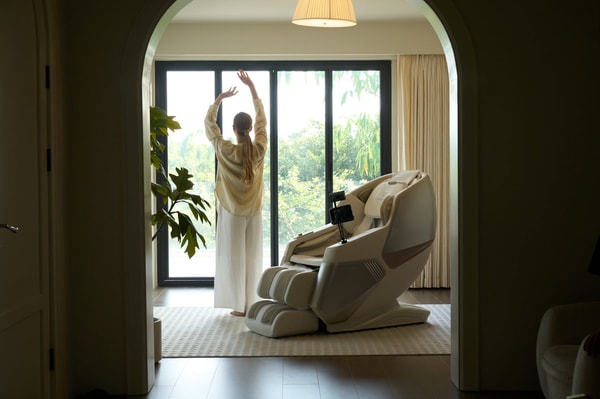
Lifevibe positions itself in the premium massage chair market with a focus on vibroacoustic therapy, a sound-based approach that blends low-frequency vibration with traditional rollers. Instead of relying solely on force, its system delivers synchronized frequencies designed to influence circulation and nervous system response. In practical terms, it functions as a hybrid between a high-end massage chair and a frequency-based relaxation device.
The brand references research roots tied to Nordic rehabilitation work and launched its consumer model in December 2025. It has received design recognition, including a 2025 MUSE Design Awards Platinum mention, and has been featured in mainstream technology and wellness publications. These signals position Lifevibe as a serious entrant rather than a novelty experiment.
If you're already curious about whether frequency-driven massage feels different from traditional rollers, this Lifevibe Review breaks down exactly how the technology performs in real-world use. We examine build quality, program design, daily practicality, and long-term comfort to clarify who benefits most. Lifevibe tends to appeal to users seeking immersive relaxation over aggressive deep-tissue intensity, and the sections ahead explore that balance in detail.
Other opinions about Lifevibe
Opinions and insights gathered from trusted review articles and authoritative websites covering Lifevibe.
Lifevibe Corporate Profile
Lifevibe operates as a wellness technology hardware brand focused on vibroacoustic-based relaxation systems for residential environments. Within the broader Technology category, it sits at the intersection of massage chair manufacturing and sound-frequency engineering. The company develops integrated hardware platforms that combine embedded transducers, synchronized audio systems, and mechanical massage components into a unified product architecture.
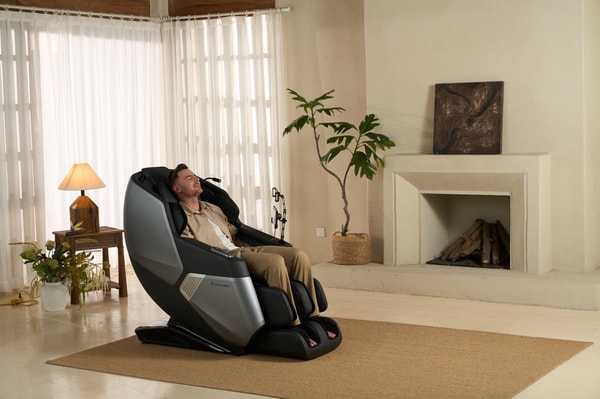
The brand's business model centers on direct-to-consumer distribution through its official online channels, with centralized customer support, warranty handling, and product education managed internally. Public-facing materials emphasize in-house brand control over design, technology integration, and user interface development rather than third-party retail dependency. This structure reflects a vertically branded hardware approach rather than a service-based or clinical operation.
Lifevibe's current portfolio appears concentrated around a flagship vibroacoustic chair platform, indicating a focused product strategy instead of a diversified catalog. Its operational scope is oriented toward home installation and personal wellness use, not institutional healthcare deployment. In the context of a Lifevibe Review, this structural positioning clarifies that the company functions as a specialized consumer technology manufacturer within the premium residential recovery segment.
How Lifevibe's Vibroacoustic System Performs in Practice
Lifevibe's approach centers on vibroacoustic therapy, blending low-frequency sound waves with mechanical rollers rather than relying on pressure alone. The distinction matters because the sensation is designed to move through the body more diffusely, supporting muscle relaxation and stress recovery in a way that feels less localized. Instead of targeting a single knot, the experience often emphasizes full-body resonance.
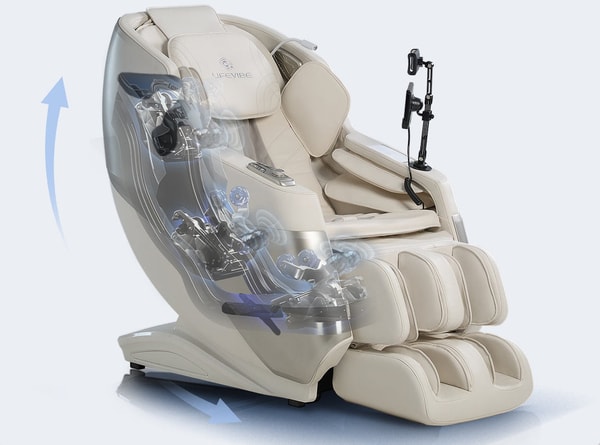
The chair integrates selectable frequency ranges, 50 Hz, 70-80 Hz, and 90-120 Hz, with synchronized massage techniques. Lower bands are generally associated with calming effects, while higher ranges may feel more stimulating and circulation-focused. In practice, the outcome depends on consistent use and individual sensitivity to vibration, as perception of depth can vary between users.
Performance Areas to Consider
- Depth of resonance compared with surface pressure
- Calming versus alerting frequency modes
- Circulation-focused settings and user perception
- Adaptability across different body types
- Overall experience for those accustomed to firm massage
Across sessions, the emphasis remains on immersive, whole-body relaxation rather than isolated intensity. For users drawn to integrated sound and touch, that positioning defines how the chair performs in everyday use.
Build Quality and Everyday Usability
The overall construction reflects a premium residential focus, with a sturdy frame and soft vegan leather designed for extended sessions. Stability during operation feels consistent, and the seating structure supports longer use without drawing attention to pressure points. Rather than functioning as decorative furniture, the chair is built to handle repeated daily routines.
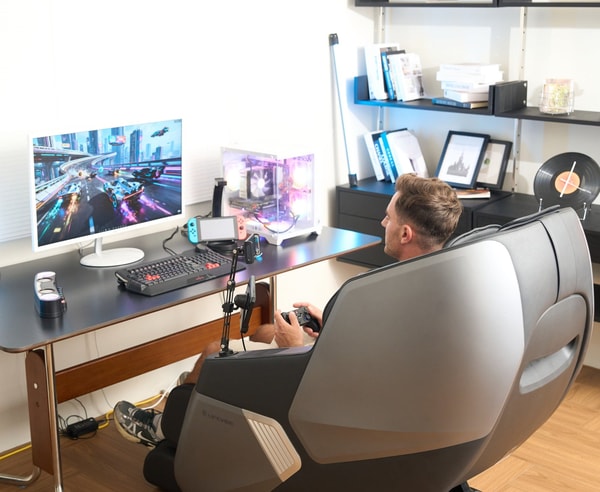
Technically, it integrates full-body detection, 25 automatic programs, and six massage techniques alongside synchronized soundscapes and built-in charging options. The range of presets offers flexibility, though navigating multiple modes may require a short adjustment period. Like most high-end massage chairs, it also calls for adequate floor space to accommodate its footprint.
Structural Considerations
- Overall footprint and room placement needs
- Program range and interface familiarity
- Integrated audio immersion during sessions
- Long-term material durability
- Designed for residential rather than clinical environments
As ownership moves beyond first impressions, practical factors such as warranty terms, delivery logistics, and after-sales support become part of the broader evaluation.
Lifevibe Pros & Cons Overview
Lifevibe's approach stands out for combining vibroacoustic frequency technology with traditional mechanical massage. In everyday use, the experience centers on immersive, full-body resonance supported by automated programs and synchronized sound, positioning it differently from pressure-only massage chairs.
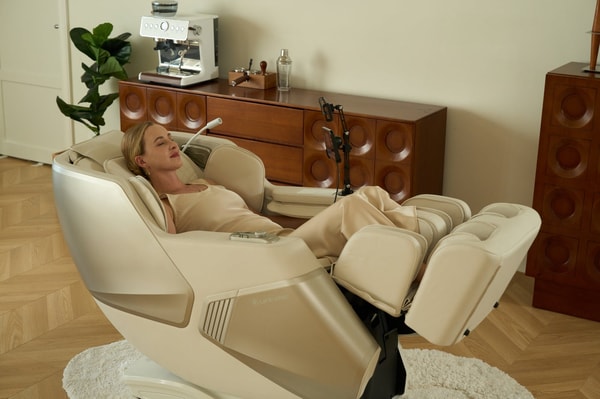
At the same time, practical considerations such as intensity preference, model variety, and physical space requirements shape how well it fits individual households. Understanding both the performance strengths and structural boundaries helps set realistic expectations before investing in a premium residential chair.
- • Low-frequency vibroacoustic integration with rollers
- • Scientifically referenced frequency bands
- • 25 automatic programs and six techniques
- • Synchronized immersive soundscapes
- • Premium residential build materials
- • Full-body detection auto-adjustment
- • Design award recognition
- • Moderate intensity compared to aggressive deep-tissue chairs
- • Single flagship model lineup
- • Large residential footprint typical of premium chairs
Understanding Lifevibe's Warranty Terms
Warranty coverage plays an important role in long-term ownership, especially for large wellness equipment used regularly at home. Lifevibe outlines warranty terms as part of its official purchasing structure, framing coverage as a support mechanism rather than a promotional feature.
Details typically clarify the coverage scope, the stated duration, and any applicable component exclusions, with terms generally applying to residential use. Coverage is designed around normal household operation, and documentation specifies that protection aligns with proper installation and standard usage conditions.
Warranty language also addresses operational boundaries, including adherence to setup guidelines and the avoidance of unauthorized modifications. Reviewing those terms carefully helps ensure expectations remain aligned with the intended residential application of the chair.
Delivery and Freight Details
Lifevibe distributes its massage chair through official online channels, with shipping structured around documented Regions Served and available Delivery Methods. Orders are processed through the brand's primary platform, where logistics policies and geographic availability are outlined for residential customers.
Given the size and weight of the unit, shipments are typically handled through freight services. Details related to Freight Handling and any stated Installation Requirements help clarify what homeowners should prepare for before arrival, particularly in buildings with access considerations.
Delivery timelines and regional coverage vary based on location and carrier coordination. Reviewing the stated shipping information in advance provides a clearer picture of scheduling expectations and logistical planning.
Return Terms and Refund Guidelines
Return eligibility is defined by the brand's stated Return Window (Days) and outlined Condition Requirements, which specify how the product must be maintained if a return is requested. Reviewing these terms in advance helps clarify what qualifies for consideration under the official policy.
Published details also address Restocking Fees, Shipping Responsibilities, and any listed Exclusions tied to opened or used units. Because the chair is large residential equipment, return logistics involve coordinated freight handling rather than standard parcel shipping. Factoring in those structural elements provides a more realistic understanding of how the refund process works in practice.
Lifevibe Versus Traditional Massage Chairs
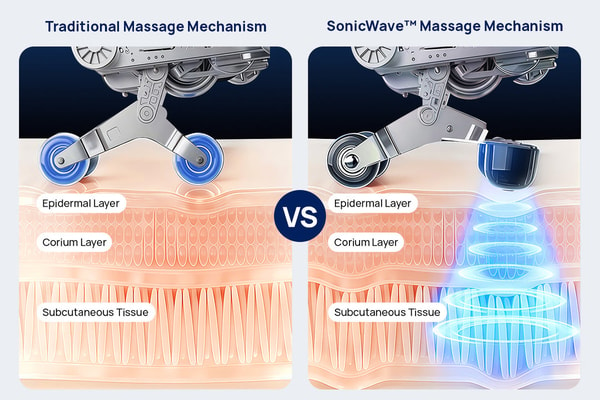
Lifevibe centers its design on vibroacoustic resonance, combining low-frequency sound waves with mechanical rollers to create a more immersive, whole-body experience. Traditional massage chairs typically rely on pressure-based mechanics alone, focusing on kneading, tapping, and compression to address muscle tension. The difference lies in how relaxation is delivered, through synchronized vibration and sound in one case, and primarily physical intensity in the other.
In practical terms, Lifevibe tends to appeal to users seeking nervous-system calming and integrated sound immersion, while conventional models often prioritize firm, localized pressure. Both can offer automated programs and full-body coverage, yet their intensity style, sensory depth, and overall experience vary depending on whether the emphasis is resonance or force. Build orientation also remains largely residential, though commercial-grade systems typically focus more on durability and pressure output than sensory integration.
- Vibroacoustic frequency integration (20-120 Hz)
- SonicSync synchronized sound and vibration
- Dual-drive system with rollers and resonance
- Three frequency modes (50 Hz, 70-80 Hz, 90-120 Hz)
- Immersive soundscape integration
- Pressure-based mechanical rollers
- Kneading and compression-focused techniques
- Intensity-driven deep-tissue emphasis
- Massage programs without synchronized frequency bands
- Primarily tactile rather than audio-integrated experience
What Early Customers Are Saying
Early user feedback frequently highlights the sensation of deeper muscle resonance compared to standard massage chairs. Reviewers often mention improved relaxation during Sleep mode and sharper mental clarity when using Focus mode, describing the vibration as more immersive than simple roller pressure.
Several customers reference prior ownership of traditional massage chairs, noting that the added frequency element feels more comprehensive in everyday use. At the same time, the current review count remains limited, reflecting a relatively early adoption stage rather than long-term mass-market saturation.
Where to buy Lifevibe?
When purchasing a premium massage chair, buyers typically look for an official source to ensure authenticity and policy clarity. Lifevibe products are available directly through lifevibemassage.com, where the full product specifications, warranty details, and customer support channels are outlined in one place. Ordering through the brand's primary platform helps confirm coverage terms and service access, while availability or policy conditions on third-party marketplaces may vary depending on the seller.
Conclusion of Lifevibe reviews & ratings
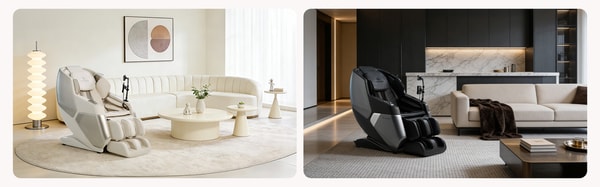
For users drawn to immersive relaxation and frequency-based wellness, Lifevibe tends to suit those who value full-body resonance over aggressive, high-pressure massage. Its hybrid design, available through lifevibemassage.com, blends mechanical rollers with low-frequency vibration, which may feel more calming than force-driven deep tissue work. That same emphasis means intensity seekers expecting very firm, sports-style compression could find the experience comparatively moderate.
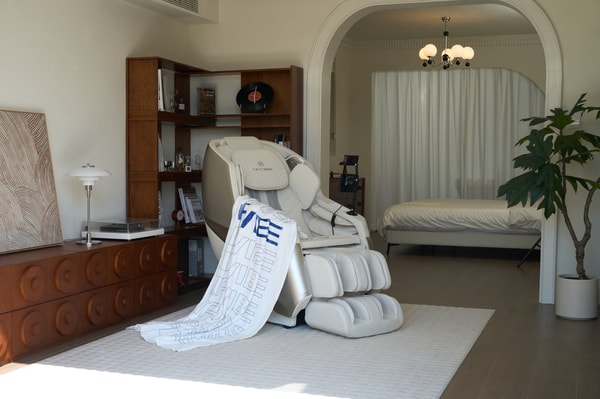
Within the premium residential massage chair category, the brand operates as a focused hardware manufacturer rather than a clinical treatment provider, maintaining centralized sales and support through official channels. As outlined in this independent Lifevibe Review resource, its positioning reflects a structured approach to home-based vibroacoustic technology rather than mass-market variety. For households prioritizing integrated sound-and-touch recovery, the concept remains consistent with its stated scope.
Editorial notes reflect aggregated buyer feedback and our independent editorial review of publicly available information. They are for informational purposes only and do not constitute endorsements. Purchases are made at your own discretion, and we are not responsible for transactions or outcomes related to this store. Experiences may vary. This content is assisted by AI and reviewed by our editorial team. While we strive for accuracy, AI-supported information may not always be 100% precise, so please verify any critical details.

